



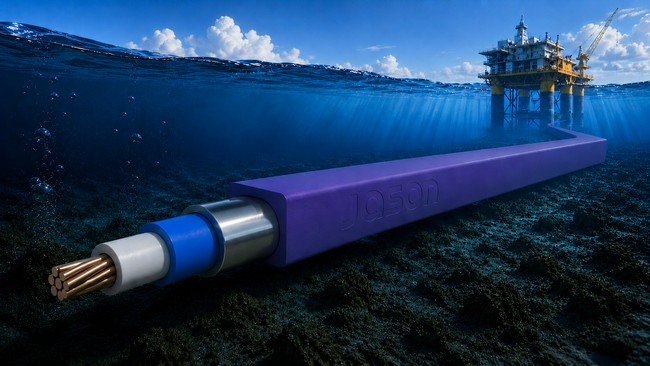
1. From the “Nervous System” to a Protective Barrier: Why Do Control Line Need Encapsulation?
In oil and gas production, particularly in deepwater and subsea developments, Control Line are often referred to as the “nervous system” of the entire production network. They play a critical role in transmitting hydraulic power, delivering chemical injection fluids, and carrying control signals to downhole equipment, directly impacting the safety, reliability, and efficiency of oil and gas operations.
However, Control Line are exposed to harsh service conditions for extended periods, including high pressure, elevated temperatures, and highly corrosive environments. During completion operations, seawater, corrosive media, and extreme temperature fluctuations can continuously attack the stainless-steel tubing. Even when premium-grade stainless steels are used, premature failures may still occur due to external corrosion, stress corrosion cracking, and other degradation mechanisms, resulting in operational risks and increased maintenance costs.
To enhance reliability and extend service life, applying a high-performance polymer encapsulation layer around the control line has become a widely adopted protection strategy across the industry. Among the available materials, long-chain polyamides (LCPAs), particularly PA11 and PA12, have emerged as leading choices for control line encapsulation due to their unique combination of mechanical, chemical, and environmental resistance properties.
2. What Are Long-Chain Polyamides?
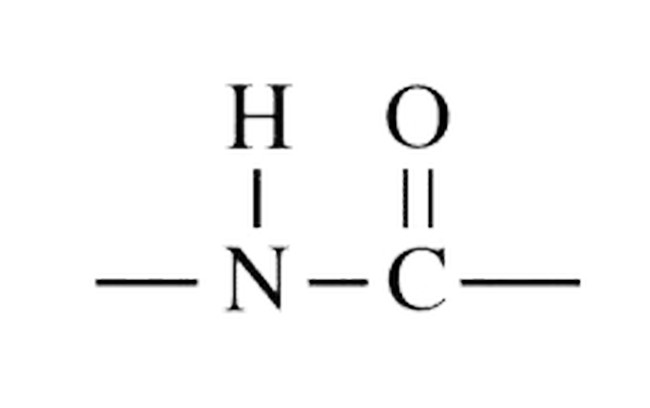
Long-chain polyamides (LCPAs) are a class of polyamide materials characterized by molecular structures containing more than ten methylene groups (–CH₂–) between amide linkages. Typical examples include PA11 and PA12.
Compared with conventional short-chain polyamides such as PA6 and PA66, long-chain polyamides feature a lower density of amide groups and a higher proportion of long methylene chain segments. This unique molecular architecture provides enhanced environmental resistance and superior engineering performance.
2.1. Lower Amide Bond Density
Amide groups are highly polar and are the primary reason why conventional polyamides absorb moisture.
For example:
· PA6: 5 methylene groups + 1 amide bond
· PA12: 11 methylene groups + 1 amide bond
The lower amide group density of long-chain polyamides significantly reduces moisture absorption, thereby minimizing dimensional changes and performance degradation caused by water uptake.
2.2. Excellent Hydrophobic Properties
Methylene groups are non-polar and inherently hydrophobic. The extended hydrocarbon chain structure allows the hydrophobic characteristics of the molecule to dominate, fundamentally overcoming one of the major limitations of conventional polyamides—high moisture absorption.
Compared with traditional nylons, PA11 and PA12 exhibit substantially lower water uptake and better retention of mechanical properties, providing greater stability in offshore, subsea, and humid operating environments.
2.3. Superior Flexibility and Toughness
The long hydrocarbon chain structure enhances molecular chain mobility and flexibility, enabling the material to maintain excellent elasticity and impact resistance even at low temperatures.
This characteristic is particularly important for control line applications, where tubing may be subjected to repeated spooling, installation, bending, and dynamic loading throughout its service life.
3. Key Advantages of Long-Chain Polyamides for Control Line Encapsulation
Control Line operate in harsh and demanding environments for extended periods, placing stringent requirements on encapsulation materials. Long-chain polyamides have become widely adopted in this application because their performance characteristics closely align with the operational demands of oil and gas production.
3.1. Outstanding Low-Temperature Performance
PA12 has a brittle-point temperature as low as -70°C, while PA11 can reach approximately -60°C, significantly outperforming many conventional engineering plastics.
In oil and gas fields located in extremely cold regions such as the Arctic and Siberia, as well as in deepwater subsea environments where temperatures typically range from 2°C to 4°C, long-chain polyamides maintain excellent flexibility and impact resistance. This helps prevent cracking and premature failure caused by low-temperature embrittlement.
3.2. Excellent Chemical Resistance
Throughout their service life, Control Line are routinely exposed to a variety of aggressive media, including:
· Crude oil and natural gas
· Seawater
· Hydraulic fluids
· Methanol and glycol
· Various oilfield production and completion chemicals
PA11 and PA12 exhibit excellent resistance to these substances and can operate reliably for extended periods in neutral, mildly acidic, and mildly alkaline completion fluids. This chemical stability plays a critical role in extending the service life of encapsulated Control Line.
3.3. Low Permeability and Reliable Sealing Performance
Preventing the ingress of external fluids and corrosive agents is essential to ensuring the long-term reliability of Control Line.
Thanks to their dense molecular structure, long-chain polyamides provide low gas and liquid permeability, forming a continuous and protective barrier around the metallic tubing. This encapsulation layer helps to:
· Isolate seawater and corrosive media
· Reduce the risk of external corrosion
· Improve system sealing integrity
· Extend overall service life
3.4. Excellent Processability and Cost Efficiency
Long-chain polyamides offer good melt flow characteristics, making them well suited for continuous extrusion encapsulation
processes used in control line manufacturing.
Compared with certain high-performance fluoropolymer materials, long-chain polyamides provide several advantages:
· Higher processing efficiency
· Proven and stable manufacturing processes
· Lower material costs
· More competitive total lifecycle costs
As a result, long-chain polyamides not only meet demanding performance requirements but also help operators achieve greater economic value through improved cost-effectiveness and long-term reliability.
4. Limitations of Long-Chain Polyamides
While long-chain polyamides offer an excellent balance of performance characteristics, they are not suitable for every operating condition. Material selection should always be based on a thorough evaluation of the specific service environment.
4.1. Limited High-Temperature Resistance
Standard PA11 and PA12 typically have a continuous service temperature of up to 100°C and a short-term service temperature of approximately 120°C.
For high-temperature oil and gas wells where downhole temperatures exceed 150°C, modified long-chain polyamides or alternative high-temperature polymer materials may be required to ensure long-term performance and reliability.
4.2. Weathering Resistance Challenges
When exposed to outdoor environments for extended periods, long-chain polyamides can be affected by ultraviolet (UV) radiation, temperature fluctuations, and moisture exposure, which may accelerate material aging and property degradation.
As a result, applications in onshore oilfields and offshore platforms often require the use of UV stabilizers, protective additives, or specially formulated compounds to enhance long-term weathering resistance.
4.3. Limited Resistance to Strong Acid Environments
Under elevated temperatures, the resistance of long-chain polyamides to strong acidic media is relatively limited.
Prolonged exposure to highly acidic completion fluids or other aggressive corrosive chemicals may lead to molecular chain degradation, embrittlement, and eventual material failure. Therefore, careful material selection and compatibility evaluation are essential when operating in highly acidic environments.
Conclusion
As deepwater oil and gas development, unconventional resource extraction, and high-reliability downhole control technologies continue to advance, the performance requirements for control line protection materials are becoming increasingly demanding.
With their outstanding low-temperature toughness, excellent chemical resistance, low permeability, and cost-effective processing characteristics, long-chain polyamides such as PA11 and PA12 have become key material choices for control line encapsulation applications.
Looking ahead, continued advancements in polymer modification technologies and high-performance polyamide materials will further expand the capabilities of long-chain polyamides. These materials are expected to play an increasingly important role not only in deepwater oil and gas operations, but also in chemical processing equipment, marine engineering, and aerospace applications, providing long-term, reliable protection for critical industrial systems.